One-stop auto parts supplier
Troubleshooting Engine Power Loss: Why Your Machinery Is Losing Its Edge

Is your heavy machinery struggling to keep up with the daily grind? If you’ve noticed a significant drop in performance, sluggish acceleration, or an inability to maintain RPM under load, you are likely dealing with engine power loss. For operators and fleet managers, this is more than just a nuisance; it is a direct hit to productivity and bottom-line revenue.
In the world of heavy-duty equipment—whether you are running a John Deere tractor or a high-capacity excavator—engine power loss is rarely caused by a single catastrophic failure. Instead, it is often a silent, progressive decline. In this guide, we break down the most common culprits behind these performance issues and how you can get your engine back to peak efficiency.
1. Restricted Airflow and Filtration Issues
The engine is essentially a massive air pump. If it cannot breathe, it cannot burn fuel efficiently. A clogged air filter is the most common cause of power loss, but it is often overlooked. When dust and debris accumulate in the primary or secondary air filter elements, the engine struggles to draw in the oxygen needed for combustion.
- Long-tail keywords to watch for: heavy machinery air filter replacement, engine air intake restriction symptoms, John Deere engine breathing issues.
- Pro Tip: If your machine operates in high-dust environments (like quarrying or agricultural harvesting), check your air intake indicators daily. A restricted intake doesn’t just lower power; it increases fuel consumption and leads to excessive carbon buildup in the cylinders.
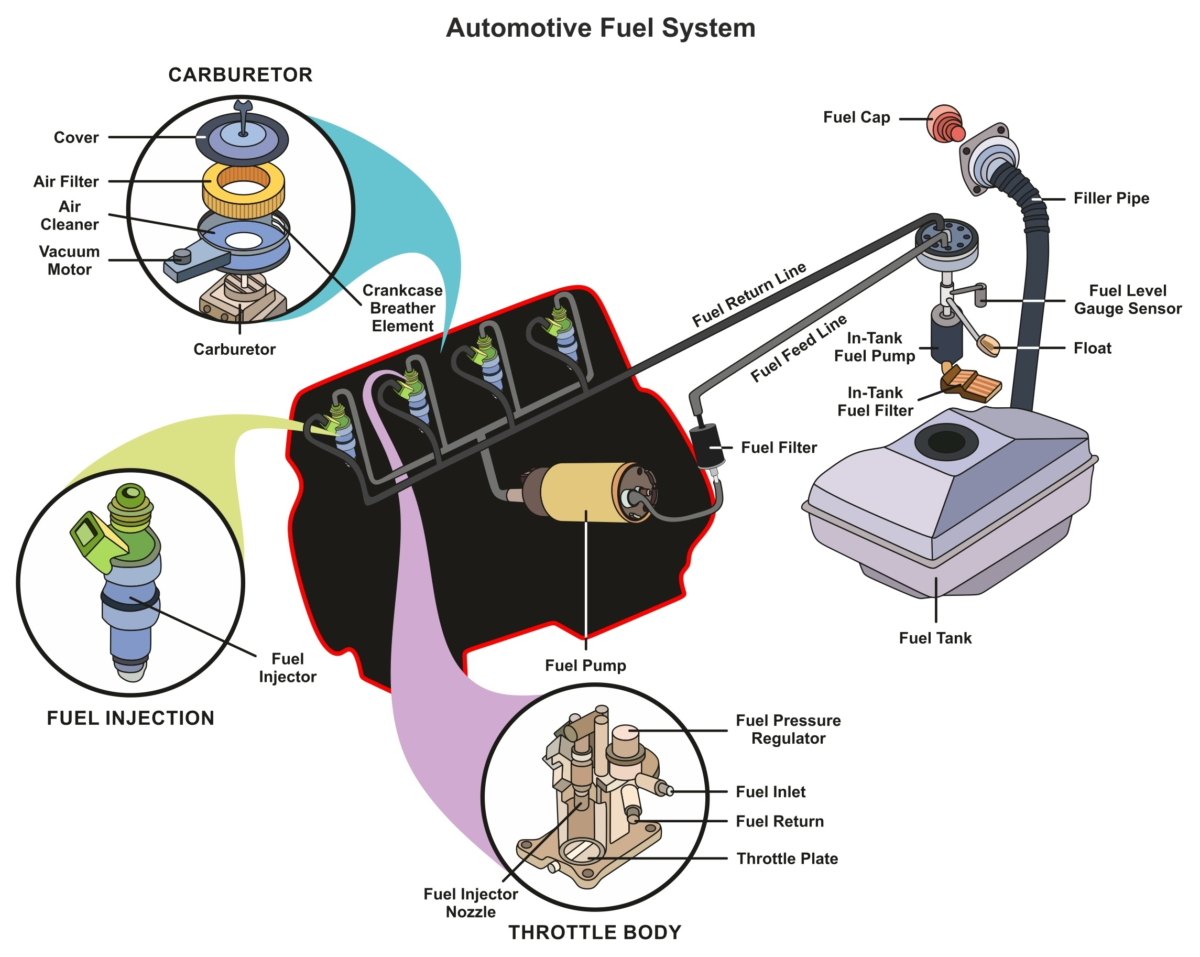
2. Fuel System Contamination and Pressure Drops
Modern diesel engines rely on high-pressure common rail systems to deliver precision fuel injections. If there is a disruption in this process, power output will plummet instantly.
- Common culprits: Contaminated diesel fuel, clogged fuel filters, or failing lift pumps.
- The “Invisible” Culprit: Internal leakage in the fuel injectors. If injectors are dripping or failing to atomize fuel correctly, the engine will exhibit uneven power delivery and black smoke under load.
- Optimization: Always prioritize using high-quality fuel filters that meet or exceed OEM specifications. Regularly check your fuel water separators; moisture in the fuel is the primary cause of rust within high-pressure fuel pumps.
3. Exhaust System and Turbocharger Failure
For many construction and agricultural machines, the turbocharger is the heart of the engine’s power boost. If your engine lacks power, listen closely to the turbo. A high-pitched whistling or a lack of boost pressure often points to a leaking boost hose or a failing turbocharger bearing.
Furthermore, if your equipment is equipped with an Aftertreatment System (like DPF or SCR), a clogged Diesel Particulate Filter can create excessive backpressure, effectively choking the engine and forcing it into “limp mode.”
- Key components to inspect: turbocharger wastegate functionality, charge air cooler (intercooler) leaks, DPF regeneration status.
4. Cooling and Lubrication: The Hidden Strains
Sometimes, the engine is functioning perfectly, but the Engine Control Unit (ECU) is pulling back power to protect the internal components. If the engine is overheating or the oil pressure is low, the ECU will electronically limit the fuel injection quantity to prevent a total engine meltdown.
- Actionable Advice: Don’t just ignore the warning lights. Check for coolant levels, radiator debris, and oil viscosity. Using the wrong grade of engine oil can lead to increased friction, which the engine perceives as a load, automatically reducing your power output.
How to Prevent Future Downtime
The key to avoiding engine power loss is proactive maintenance rather than reactive repair.
- Monitor OEM Specs: Always use parts that match your engine’s serial number. Using “generic” parts that don’t meet flow rate or pressure specifications can cause a cascade of sensor errors.
- Regular Diagnostics: Invest in a basic diagnostic scanner. Being able to read live data—such as manifold absolute pressure (MAP) or fuel rail pressure—allows you to catch a failing sensor before it leaves you stranded in the field.
- Document Your Maintenance: Keep a log of filter replacements and fluid changes. If you start noticing a pattern of power loss, having this data will make it infinitely easier for your technician to troubleshoot the issue.
Conclusion Engine power loss is a complex symptom, but with a systematic approach to diagnostics, most issues can be resolved quickly. By focusing on the “Big Three”—Air, Fuel, and Exhaust—you can extend the lifespan of your heavy machinery and ensure that your equipment remains a profitable asset rather than a drain on your resources.
Are you currently experiencing specific performance issues with your machinery? Let us know the machine model and the symptoms you are seeing—we are here to help you source the right components to get back to work.